

Staples, MN – The 2026 On-Farm Communications Training gave Natural Resources Conservation Service and Soil and Water Conservation District staff opportunities to learn about farming through field experience, equipment demonstrations, and conversations about the decisions producers make throughout the year.
AgCentric and the Central Lakes College Ag & Energy Center host the training in Staples. It helps conservation professionals strengthen their agricultural knowledge and build confidence in conversations with farmers and landowners. The program began as training for NRCS staff in 2021 and expanded to include SWCD staff in 2024 through a partnership with the Minnesota Board of Water and Soil Resources.


Learning through the growing season
In 2026, the program offered beginner and advanced tracks. The beginner group met May 13 and July 15, while the advanced group met May 14 and July 16. The sessions followed the crop year, beginning with planting-season topics and building toward harvest.
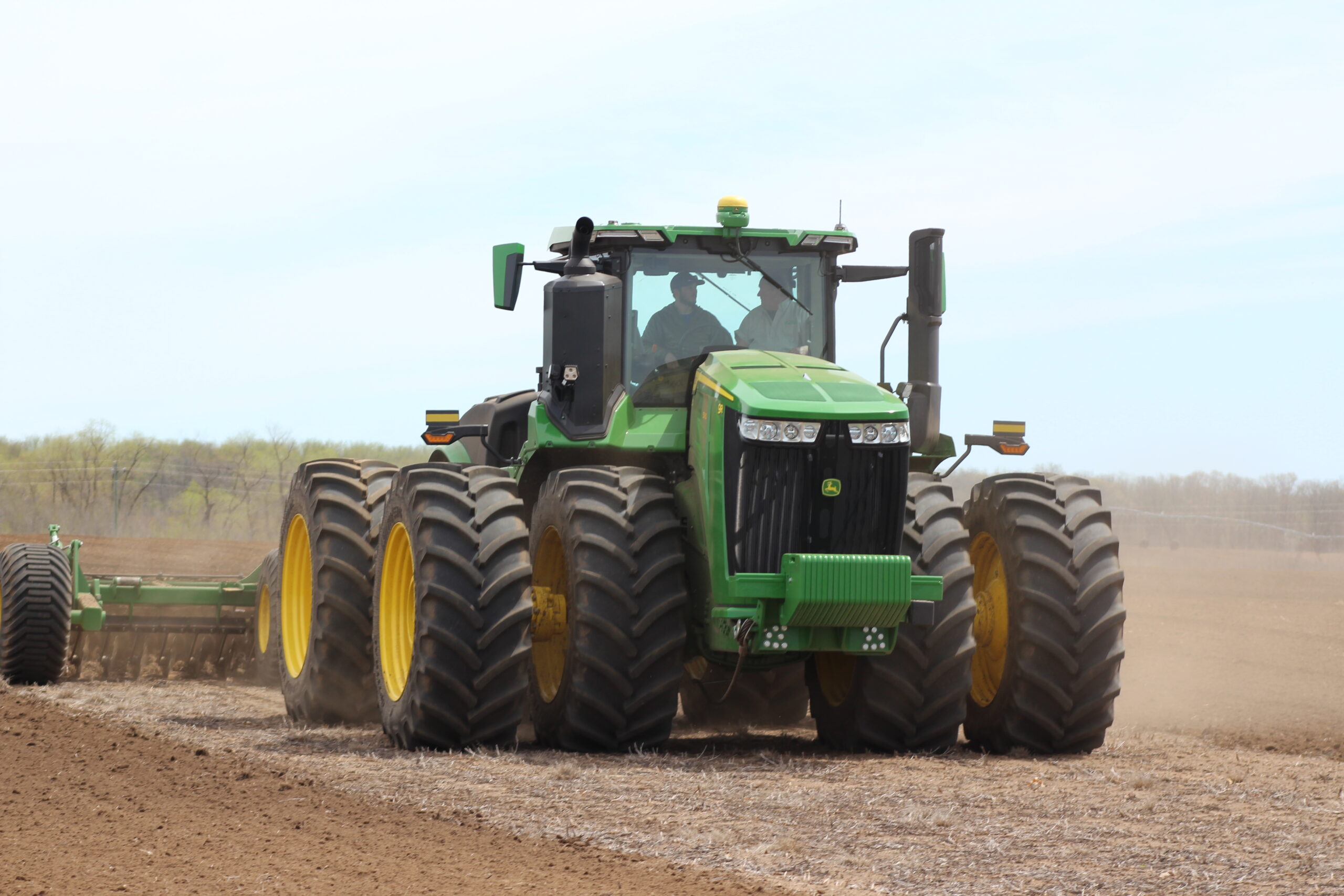
Spring sessions emphasized equipment, planting and tillage, along with the costs involved in farm operations. Participants learned about farm equipment and had an opportunity to drive a ripper. As one participant put it, “The spring session was most useful because we learned a great deal about equipment and the costs, and driving the ripper was really cool!”
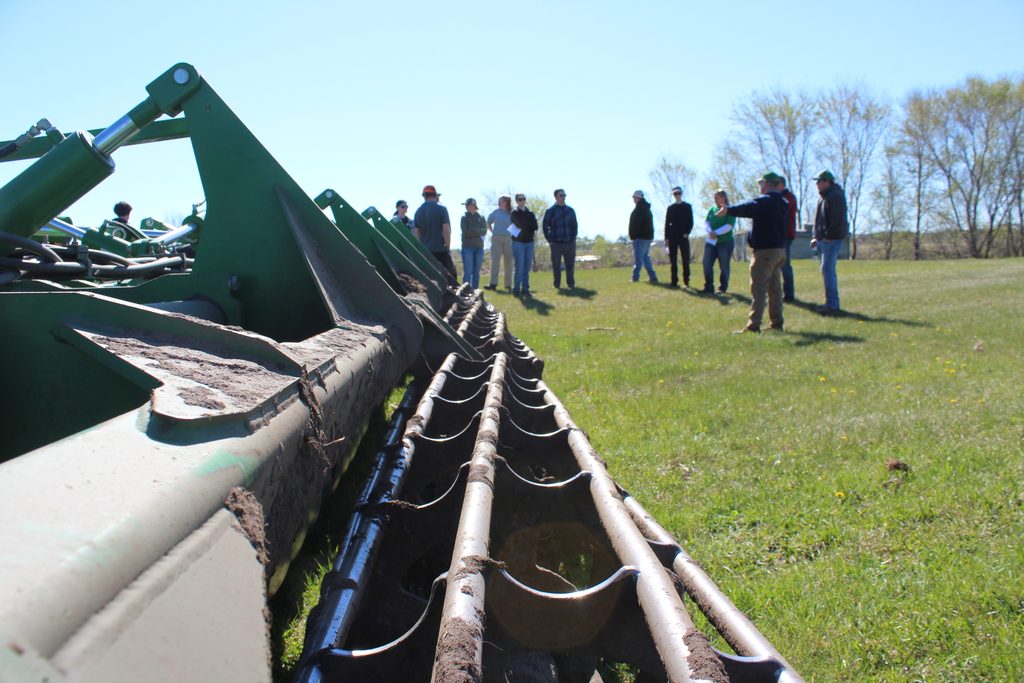
The summer sessions built on that foundation with discussion of farm budgets and fertilizer logistics. One participant said the summer session was especially useful because it went “more in depth on farm budgets and on fertilizer logistics with a co-op.” The advanced track also offered deeper study of precision agriculture, mapping, crop budgeting, and emerging technology.
A combined fall day in the field
The fall advanced session could not go ahead after NRCS funding was no longer available for that day. Instead, participants from both groups came together for a combined session on October 7.
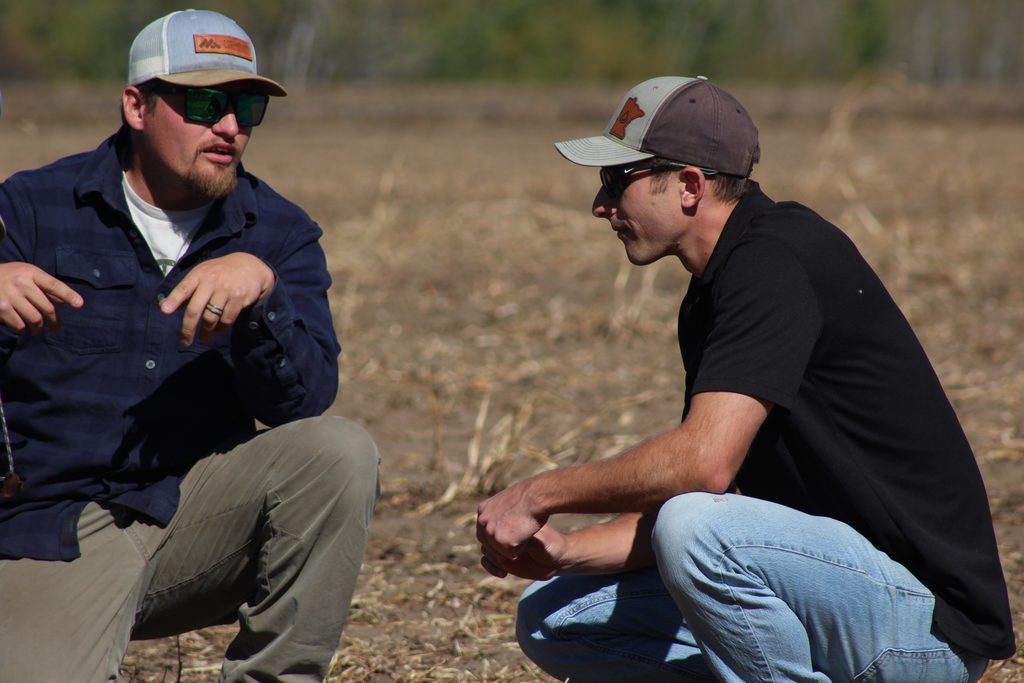
The day began at the Ag & Energy Center with introductions and a discussion of farm economics. Participants then rotated through sessions on equipment and machinery, and 60-inch corn rows interseeded with cover crops.
After lunch, the group traveled to a nearby farm site to learn about edible bean harvest. The field setting gave participants a chance to see crop and equipment practices up close and ask questions about how farm decisions play out during harvest. Bringing both groups together also gave participants with different levels of experience a chance to learn alongside one another and share perspectives from their work.
Participant feedback points to practical value
Fifteen people responded to the 2026 training evaluation. All respondents agreed or strongly agreed that the training would help them perform their jobs better, strengthen their ability to have informed conversations with farmers, and help them understand farming practices through hands-on activities. Thirteen of the 15 strongly agreed that the hands-on and field experiences helped them understand farming practices.
One participant described how the learning carried into their work: “Attending these sessions has already helped my communication with our producers.” Another pointed to a specific insight from the economics discussions: “The conversation on economics and financing was very helpful. Especially how corn growers will wait on market trends and sell when price is high.”

Participants also reflected on the role of technology in farm operations. One said that seeing how equipment tracks data on a map was “very eye opening” and showed “the level of control producers can have on their land.”
The learning also traveled beyond the training sessions. One participant shared, “I had a great time and shared what I’ve learned about edible beans with everyone I know.”
Building stronger conversations about agriculture
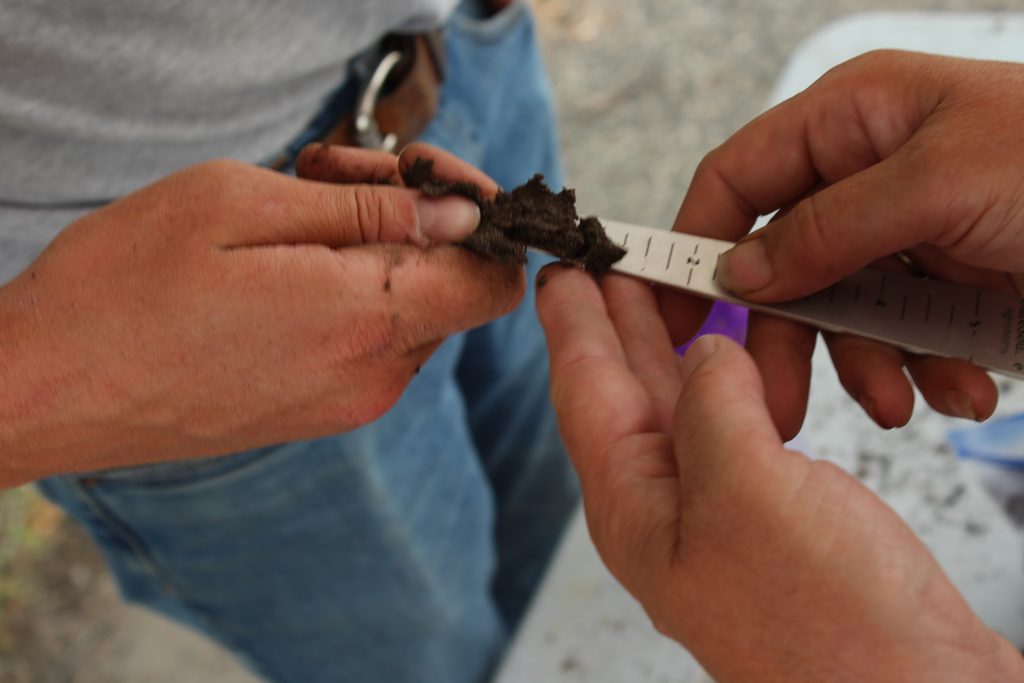
Understanding farm practices, costs, timing, and equipment can help conservation professionals better understand the questions and choices producers face. Across the spring, summer, and fall sessions, participants had opportunities to connect agricultural concepts with real farm operations and build familiarity with the language farmers use.
AgCentric and the Central Lakes College Ag & Energy Center thank the instructors, farm hosts, and partner organizations who shared their knowledge and helped make the 2026 training possible.



)
You must be logged in to post a comment.