AgCentric and the CLC Ag & Energy Center hosted beginner and advanced training tracks May 13 and 14, helping conservation professionals connect field experience, farm economics and producer communication.
Staples, MN – AgCentric and the Central Lakes College Ag & Energy Center welcomed NRCS and SWCD employees from across Minnesota to Staples on May 13 and 14 for the spring sessions of On-Farm Communications Training.
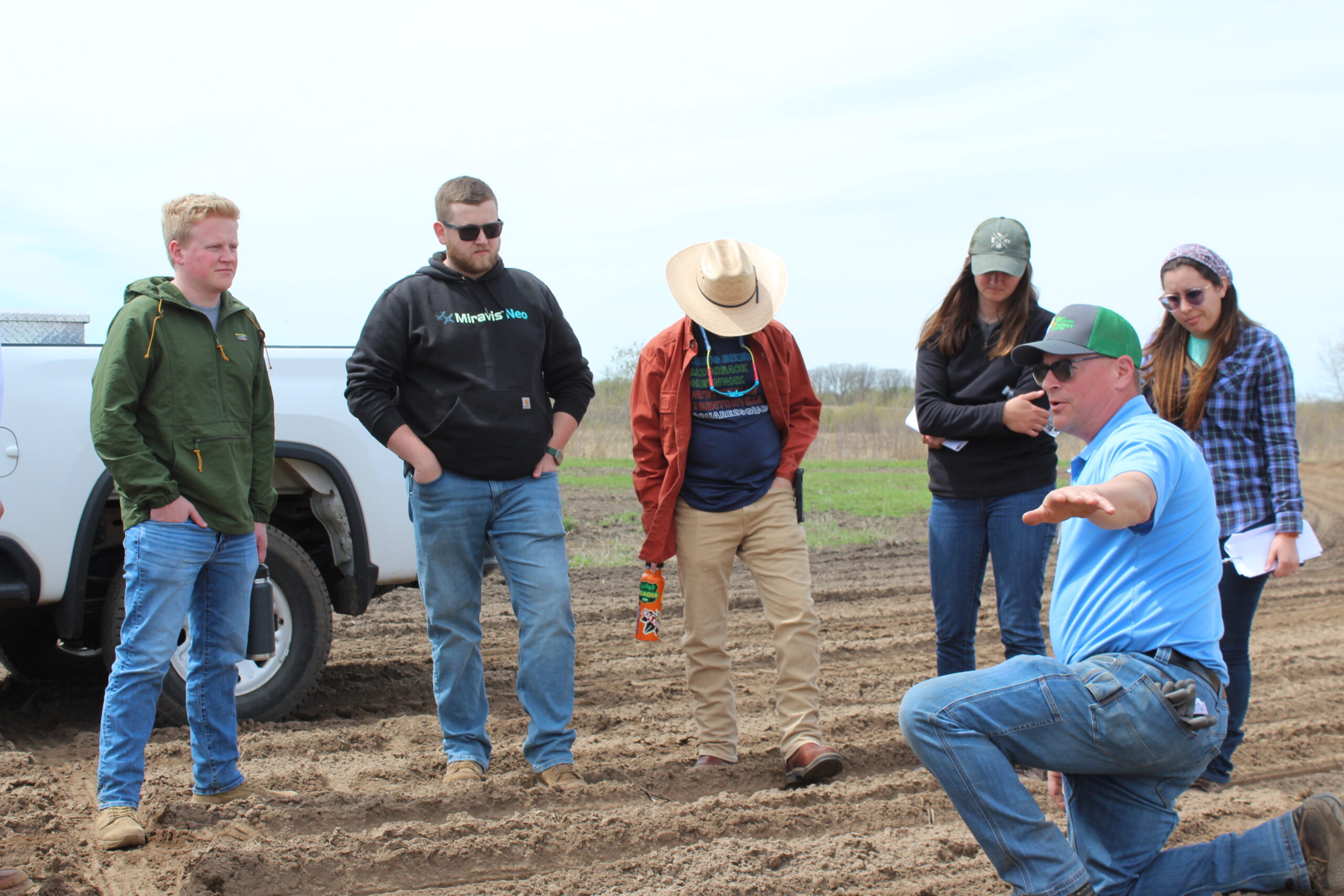
The two-day training brought together conservation professionals for hands-on, field-based learning designed to strengthen both technical knowledge and communication skills. The training is part of AgCentric’s broader On-Farm Communications Training program, which gives NRCS and SWCD participants first-hand experience with modern agriculture at the Central Lakes College Ag & Energy Center in Staples.


This spring’s training included two tracks. The May 13 beginner track welcomed 12 participants, including eight NRCS employees and four SWCD employees. The May 14 advanced training welcomed eight participants, including five SWCD employees and three NRCS employees.
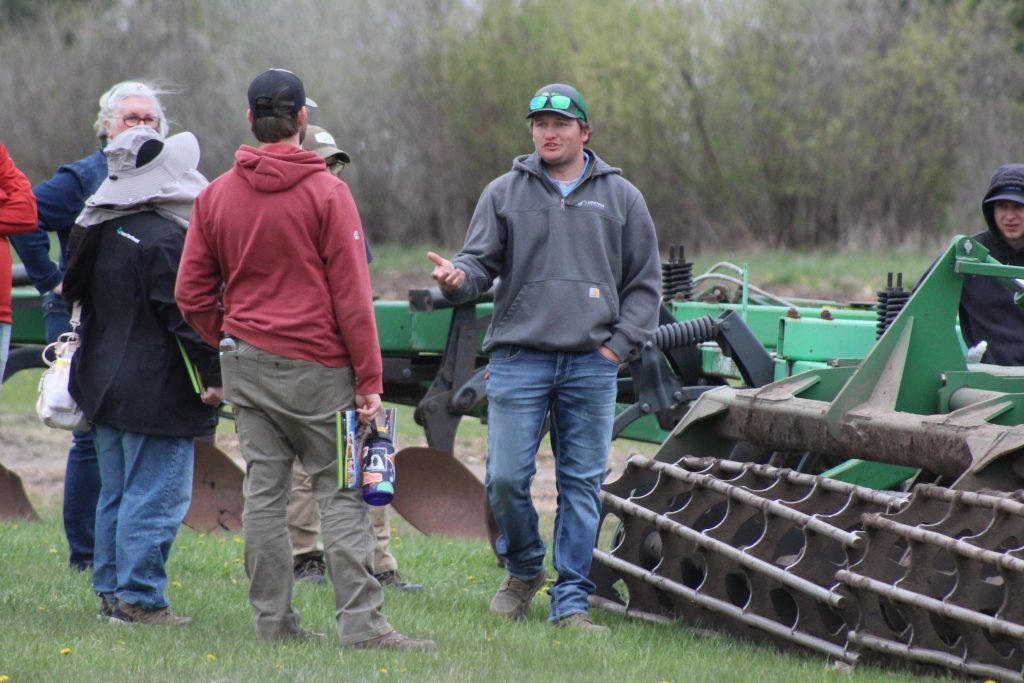
Together, the two days represented a wide reach across Minnesota. Counties represented during the May 13 beginner training included Stearns, Foley, Sherburne, Wright, Hennepin, Anoka, Chisago, Rice, Crow Wing, Cass, Grant, Traverse, St. Louis, Cook, Lake, Aitkin, Itasca, Carlton and Douglas. The May 14 advanced training included representation from Morrison, Becker, East and West Otter Tail SWCDs, Traverse, Grant, Stearns, Pope, Mille Lacs and Benton.
Building a Foundation Through the Beginner Track
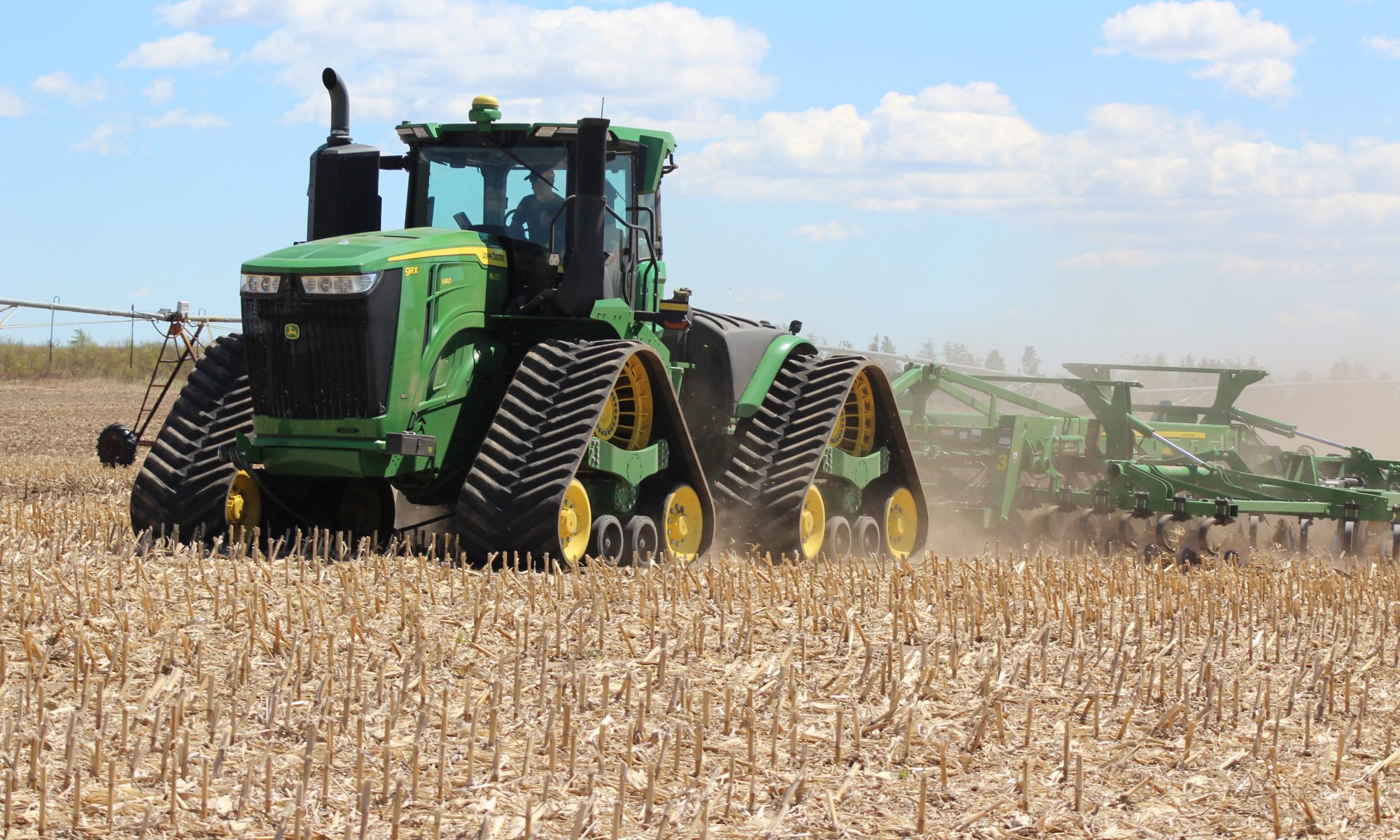
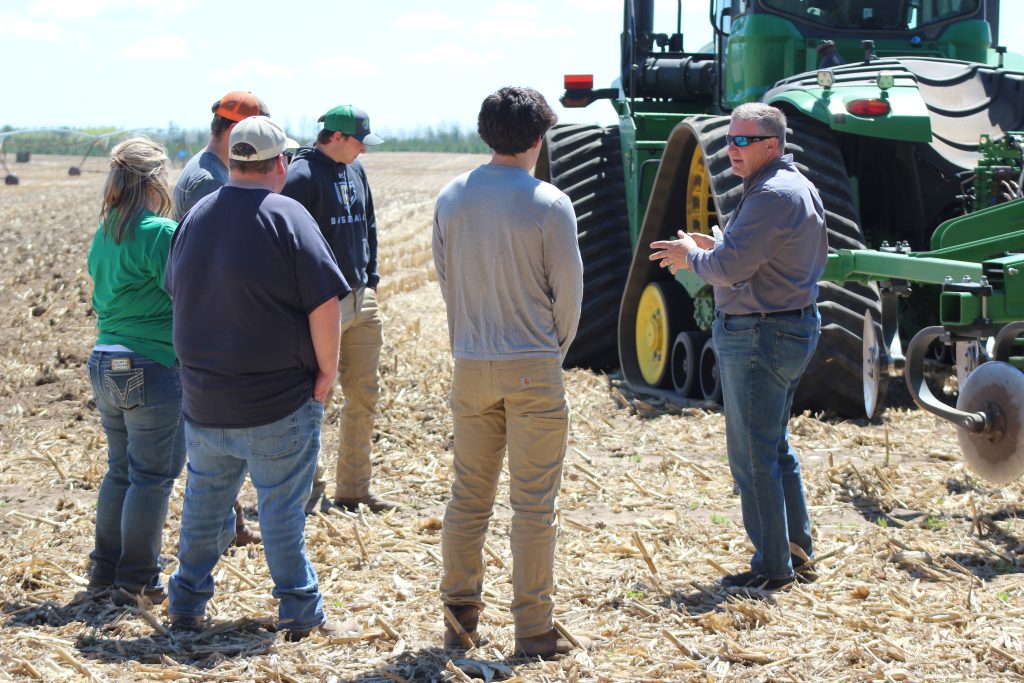
The May 13 beginner session focused on building foundational knowledge and confidence for professionals who work with farmers and producers. The day began at the Ag & Energy Center with introductions, goals for the day and an overview of the center before participants moved outside to a tillage machinery lineup. There, the group discussed the purpose of each tool, why farmers may choose to till or avoid tillage, and how soil conditions affect those decisions.
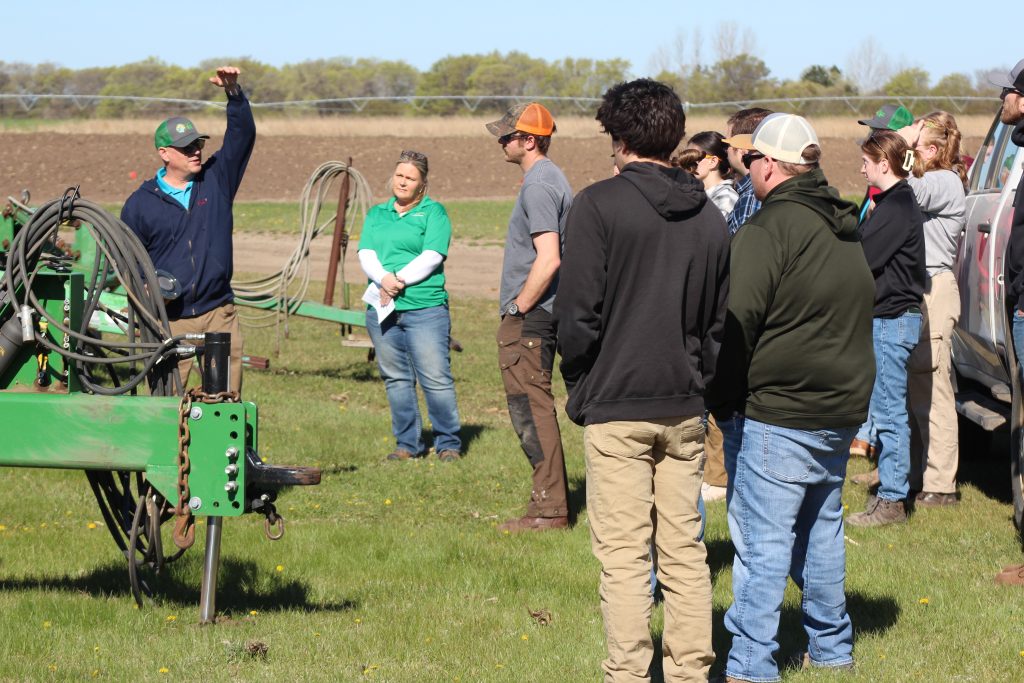
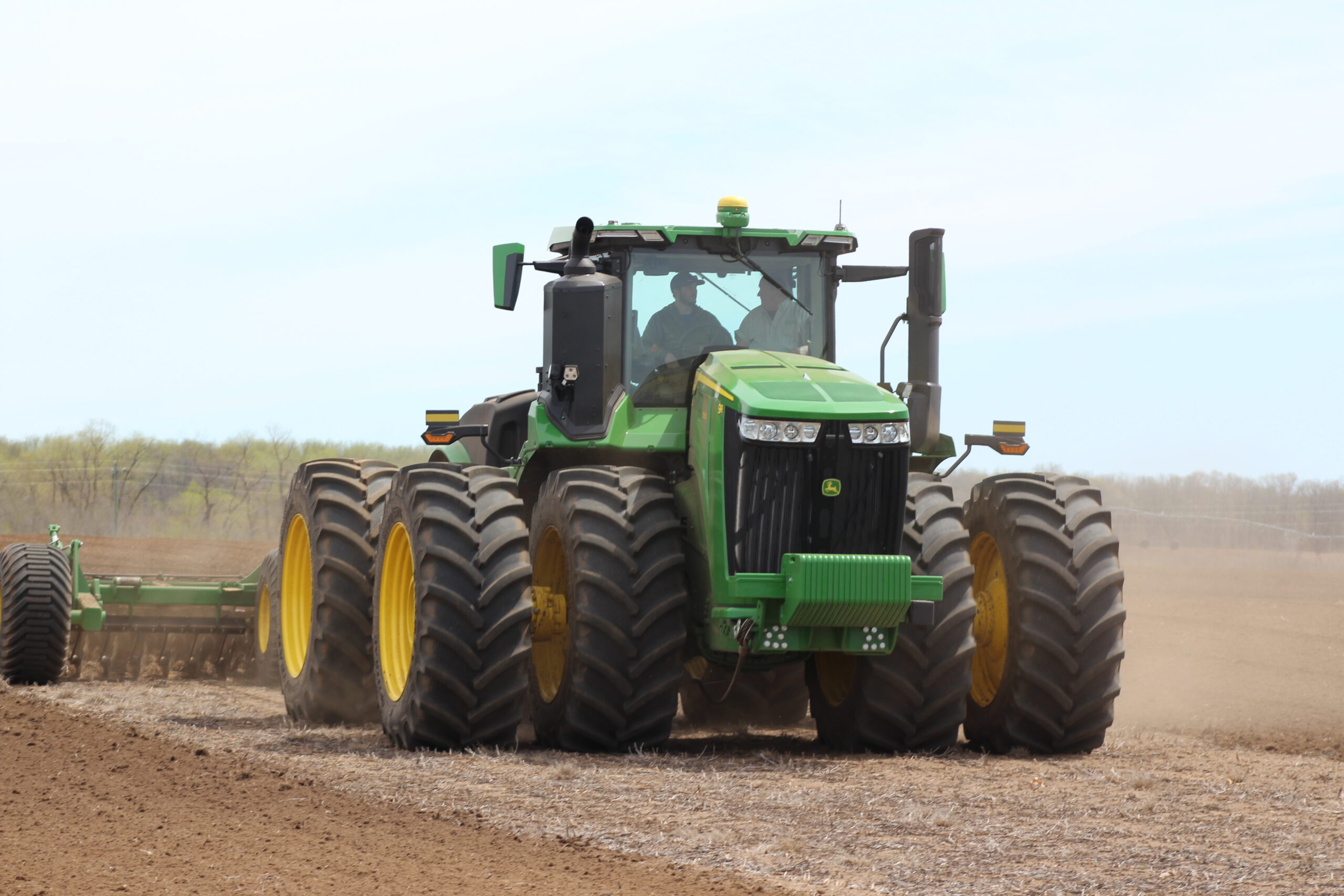
After the morning introduction, participants boarded a bus for in-field learning experiences. The day included three main rotations: planting, tillage and the AgCentric trailer. During the planting rotation, participants explored planter setup, seed selection, seed placement, planter operation, monitor observations and guidance systems. The tillage rotation focused on ripping, the purpose of tillage, equipment and tractor costs, and driving experience with guidance technology.
At the AgCentric trailer, participants reviewed MyJohnDeere, the high-level cost of planting corn, soil dynamics, residue management, seed depth and planter downforce. The hands-on approach gave participants a closer look at the equipment, technology and economic considerations producers work through during the planting season.

Taking the Next Step With Advanced Training
The May 14 advanced session built on the foundational concepts covered in the beginner track while taking a deeper look at farm decision-making, technology and economics. The day began at the Ag & Energy Center before shifting into a discussion on getting started in farming, including startup costs, land prices, key considerations and technology tips related to globes, monitors and subscriptions.
Participants then moved into field rotations focused on planting, tillage and the AgCentric trailer. The advanced planting rotation included planter setup, preparation, seed selection, placement, planter operation, monitor observation and guidance. The tillage rotation added discussion around tillage considerations, alternatives, replacement part costs and setting an A-B line while adjusting software.

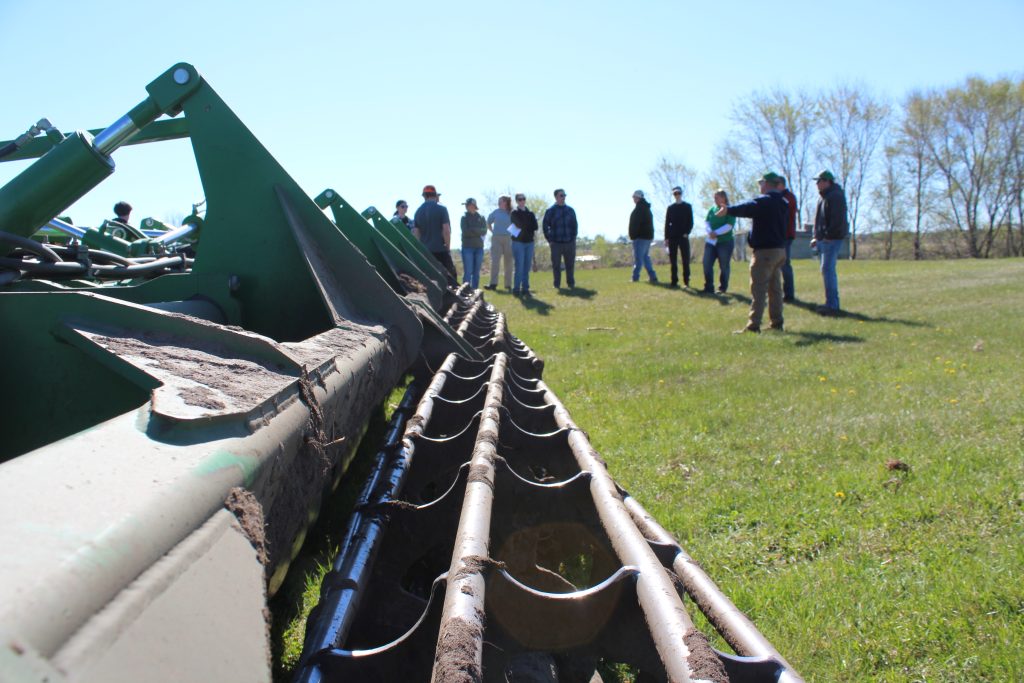
After the field rotations, participants returned to the Ag & Energy Center for an in-depth look at several pieces of tillage machinery. With equipment lined up on site, the group was able to compare tools, discuss when and why different implements are used, and connect those choices to field conditions, residue management, equipment costs and producer decision-making.
The day concluded with a Farm Business Management discussion focused on crop budgeting. Participants connected the field experiences, technology conversations and machinery discussions back to the financial decisions producers make throughout the growing season.
Connecting Field Experience to Better Conversations
A key goal of the On-Farm Communications Training is to help conservation professionals better understand the decisions farmers make in the field, in the cab and on the balance sheet. That understanding can lead to stronger conversations between farmers, NRCS staff, SWCD staff and other agricultural professionals.
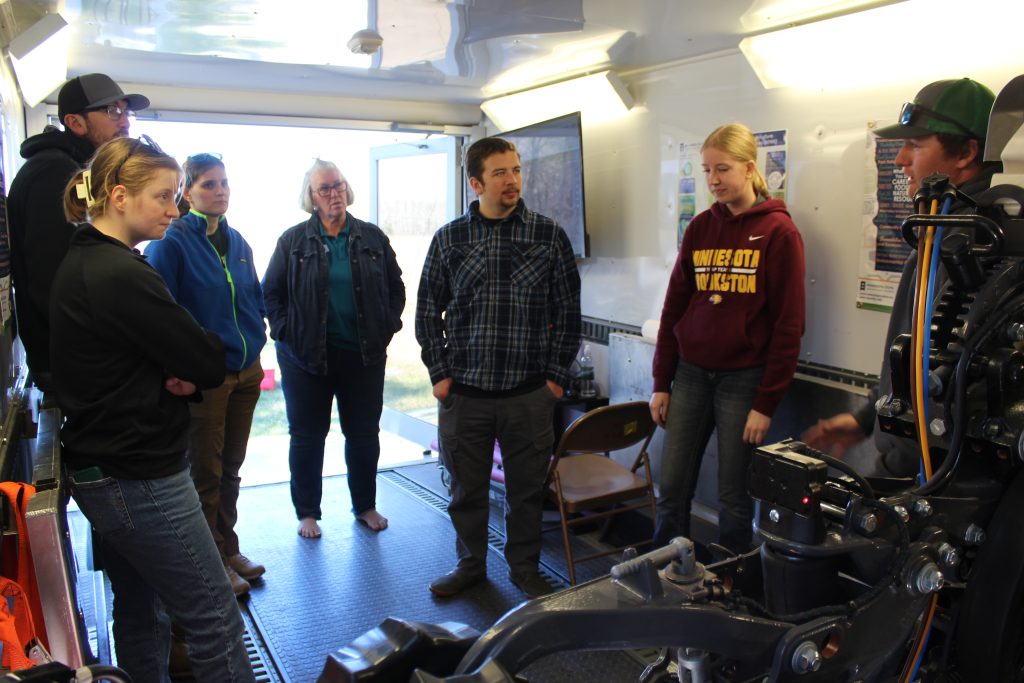

This spring’s training continued that model by pairing equipment demonstrations and field rotations with farm economics. The beginner session ended with a wrap-up discussion and Farm Business Management lessons in crop budgeting, while the advanced session added a more in-depth tillage machinery discussion before concluding with crop budgeting. Together, the sessions helped participants connect field practices, equipment choices and producer economics to the conversations they have with farmers and landowners.
Through the planting, tillage and technology rotations, participants were able to see how field practices, equipment investments, soil conditions, residue management and crop budgeting all influence producer decision-making. The training also created space for questions and discussion, helping participants connect technical information to the real conversations they may have with farmers and landowners.
Looking Ahead
The May 13 and 14 sessions marked the first step in this year’s On-Farm Communications Training series. Future sessions will continue building on the season’s progression, giving participants additional opportunities to see agriculture in action at different points in the growing season.

Upcoming training dates include:
Beginner Track
Summer: July 15
Fall: October 7
Advanced Track
Summer: July 16
Fall: October 8
The On-Farm Communications Training is organized by AgCentric, the Minnesota State Northern Agricultural Center of Excellence, and the Central Lakes College Ag & Energy Center, in partnership with NRCS and the Minnesota Board of Water and Soil Resources.


)
You must be logged in to post a comment.