
Additional support builds on a national educator network, curriculum field testing and workforce partnerships.
Staples, MN – Agriculture educators from across the country will have another opportunity to help shape how robotics and automation are taught in high school classrooms after AgCentric secured an additional $129,579 from the U.S. National Science Foundation (NSF) for the Agricultural Robotics and Automation Technologies (ARAT) project.
The supplemental award will support the next phase of national curriculum field testing and educator training, including a Food Processing-focused field test planned for summer 2027. Awarded July 15, 2026, the supplement increases total obligated federal support for NSF Award No. 2348815 to $778,247.

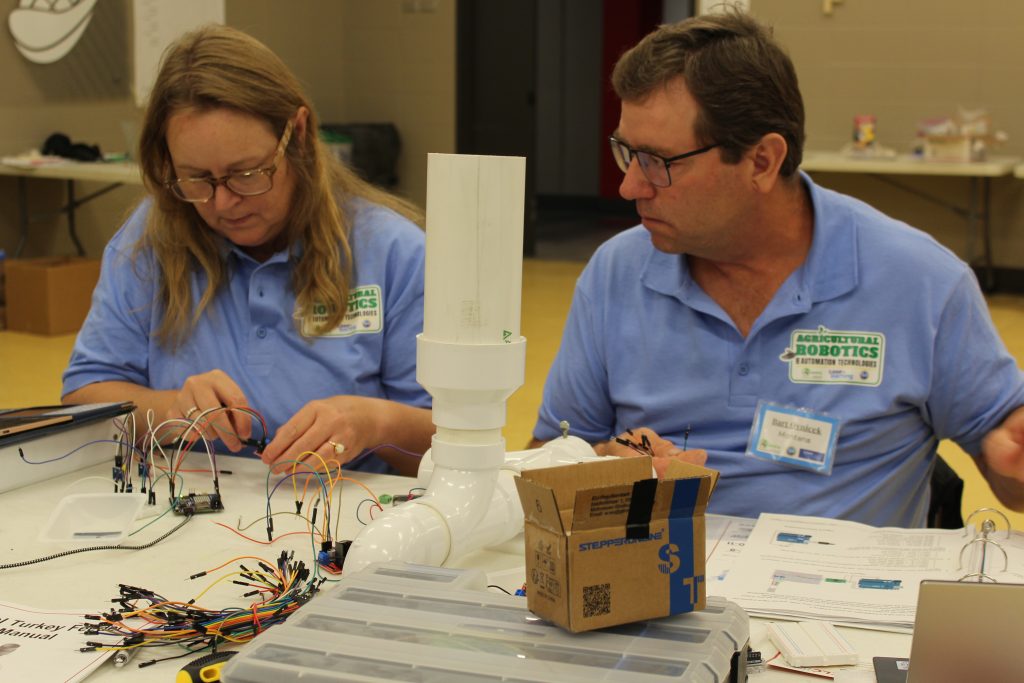
Supported through the NSF Advanced Technological Education program, ARAT is developing classroom-ready curriculum and professional development to help secondary educators prepare students for technician careers in agricultural robotics, automation and related technologies. The curriculum is organized around three agricultural pathways: Animal Science, Plant Systems and Food Processing. The project is led through a partnership between AgCentric and Curriculum for Agricultural Science Education (CASE), working with Minnesota State colleges and industry collaborators.

CASE has been instrumental throughout the project, helping develop the curriculum and prepare teachers through professional development. Together, CASE and AgCentric coordinate the national field testing and support the collection of classroom feedback for continued revisions. The curriculum uses inquiry- and project-based instruction and is designed to be adaptable so educators can use individual units or combine them to fit local programs, geographies and communities.
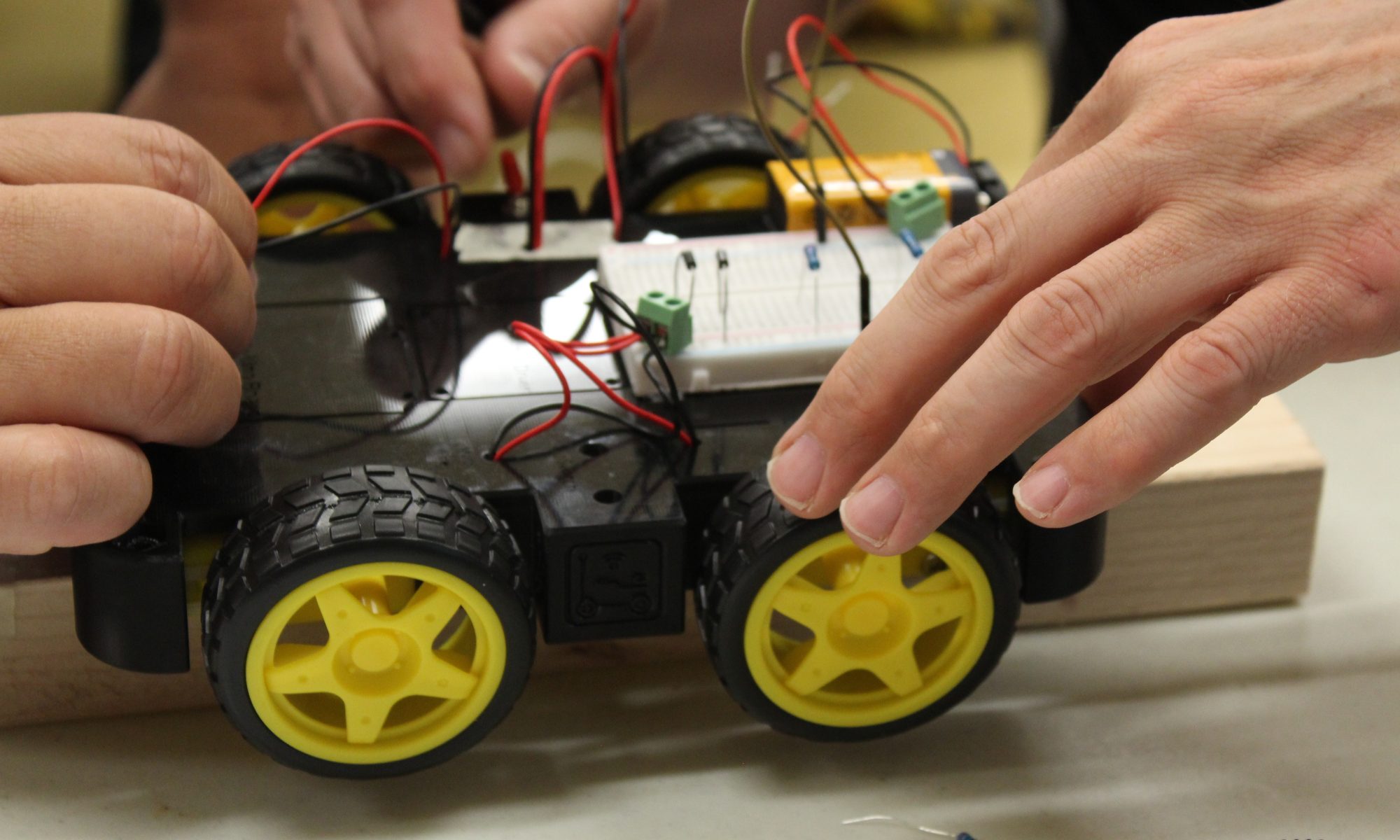
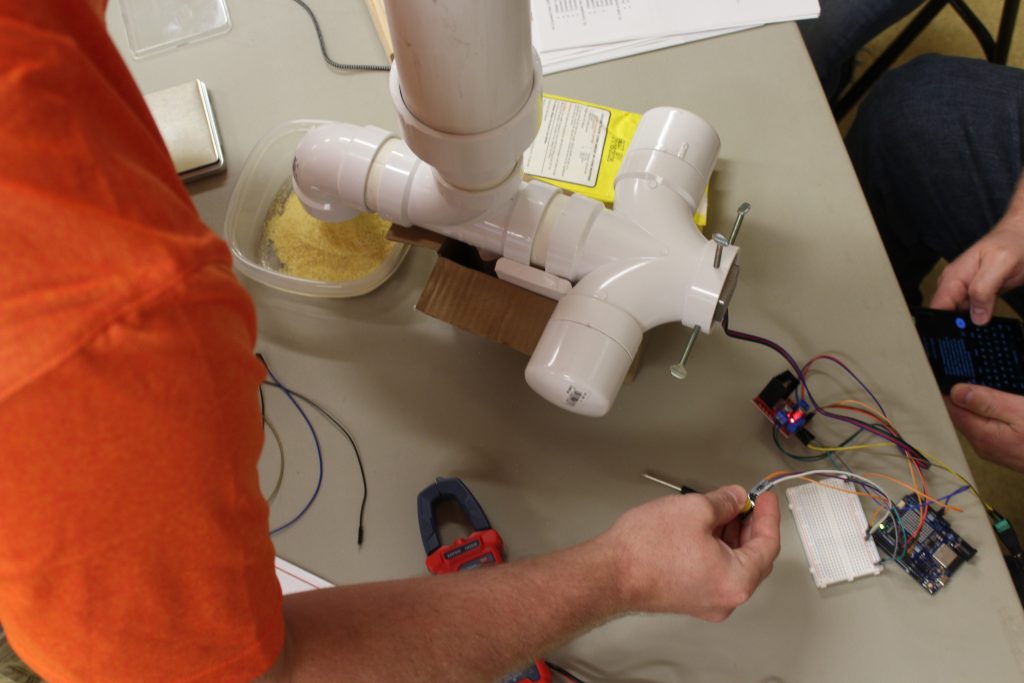
Since the project began in July 2024, ARAT has moved from curriculum development into national field testing, revision and dissemination. During two 2025 field-test cohorts at Central Lakes College in Staples, 31 high school agriculture instructors representing 20 states tested the Animal Science portion of the curriculum. They worked through hands-on activities involving sensors, automated agricultural vehicles and an automated turkey feeder. Their feedback helped strengthen lessons in electricity, programming, automation, inputs, logic and outputs, as well as lesson anchors and transfer tasks.
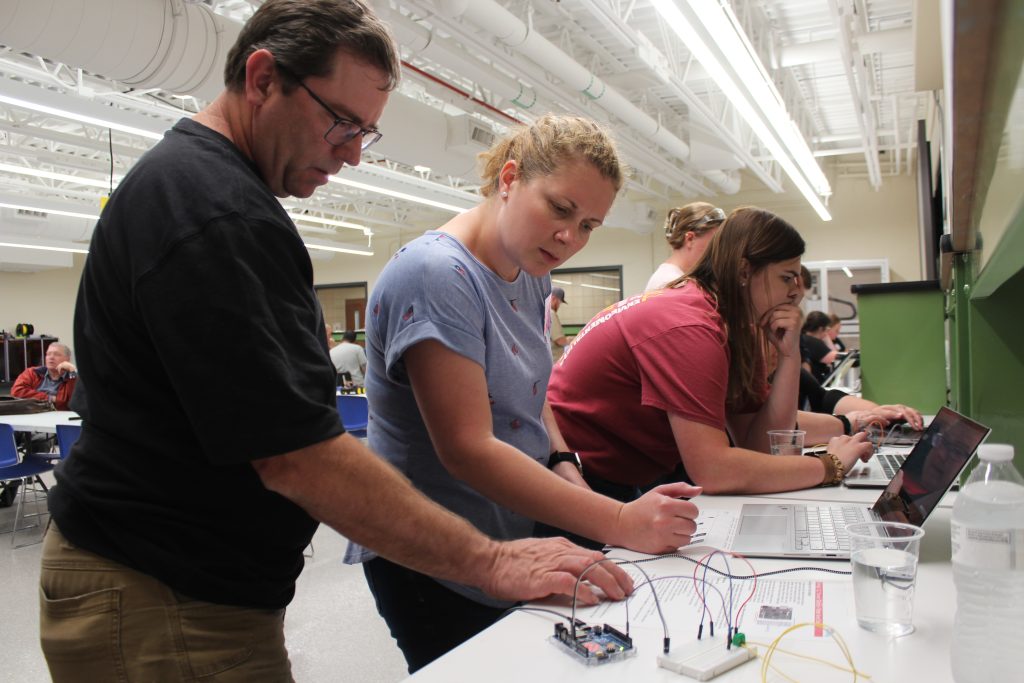
In June 2026, 20 additional agriculture educators representing 11 states and Puerto Rico tested the Plant Systems portion at St. Cloud Technical & Community College. Participants explored sensors, coding, robotics, automation, irrigation and data-driven decision-making through classroom activities, technical-college connections and a farm visit. The final field test, planned for summer 2027, will focus on Food Processing. Across the first two years, 53 agriculture instructors representing 21 states and Puerto Rico have participated in ARAT curriculum field testing. As these instructors implement the new curriculum in their classrooms, they are positioned to directly reach nearly 1,400 students. After field testing and final revisions are complete, the curriculum will be offered through CASE as a BriefCASE training, expanding access to more educators and students nationwide.
To learn more about the ARAT project, visit https://agcentric.org/education-training/agcentric-case-nsf/.
“This supplemental support recognizes the progress made by educators, college partners and industry leaders who are helping build a stronger pathway into agricultural technology careers,” said Keith Olander, AgCentric executive director and principal investigator. “It will allow the ARAT team to build on what has been learned through field testing and continue connecting relevant classroom instruction with the technology students will encounter in today’s agricultural workforce.”
Project accomplishments also extend beyond the formal field tests. ARAT-related classroom visits and AgCentric outreach trailer events have reached approximately 3,000 students. The work has encouraged collaboration among educators in agriculture, computer science, science, robotics and technical education, broadening the ways agricultural automation can be introduced to students.

The project has shared its work through presentations at the High Impact Technology Exchange Conference (HI-TEC) and the Associated Equipment Distributors annual conference. ARAT is also featured in NSF’s ATE Impacts 2026/27 publication, which showcases cutting-edge, community college-based initiatives and the institutions and communities advancing technician education. Partnerships have also helped establish connections to the CNH Top Tech program, the AED Foundation and Fluke Corporation, including development of a CNH credential pathway recognized by the CNH dealer network.
The ARAT award is administered by the NSF Division of Undergraduate Education. The project period runs from July 1, 2024, through June 30, 2027. Keith Olander serves as principal investigator, with co-principal investigators Carl Aakre of CASE, A’Dawn Nelson of Northland Community & Technical College and Bradley Wanous of St. Cloud Technical & Community College.

About the National Science Foundation
The U.S. National Science Foundation is an independent federal agency that supports science and engineering in all 50 states and U.S. territories. NSF’s Advanced Technological Education program focuses on the education of technicians for the advanced-technology fields that drive the nation’s economy.




)
You must be logged in to post a comment.