

NSF supported ARAT project brings AgCentric, CASE 4 Learning, St. Cloud Technical & Community College, and agriculture educators together to prepare students for the future of ag technology.
St. Cloud, MN – Twenty agriculture instructors from 11 states and Puerto Rico spent this past week at St. Cloud Technical & Community College testing new curriculum designed to help students explore one of the fastest growing areas of agriculture: robotics and automation.
The Agriculture Robotics and Automation Technologies field test brought educators to Minnesota from Arkansas, Colorado, Illinois, Indiana, Iowa, Kentucky, Minnesota, Montana, New Jersey, South Dakota, West Virginia, and Puerto Rico. The June 23 through 25 training gave instructors the opportunity to work through new curriculum, provide feedback, and consider how robotics, sensors, coding, data, and automation can be brought into agriculture classrooms across the country.
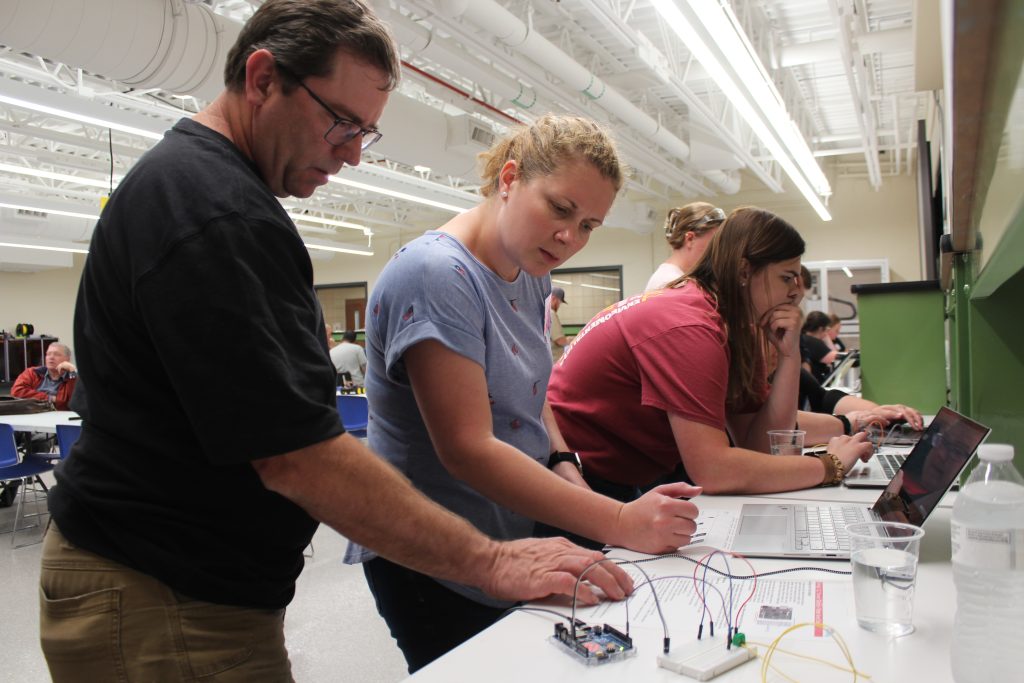
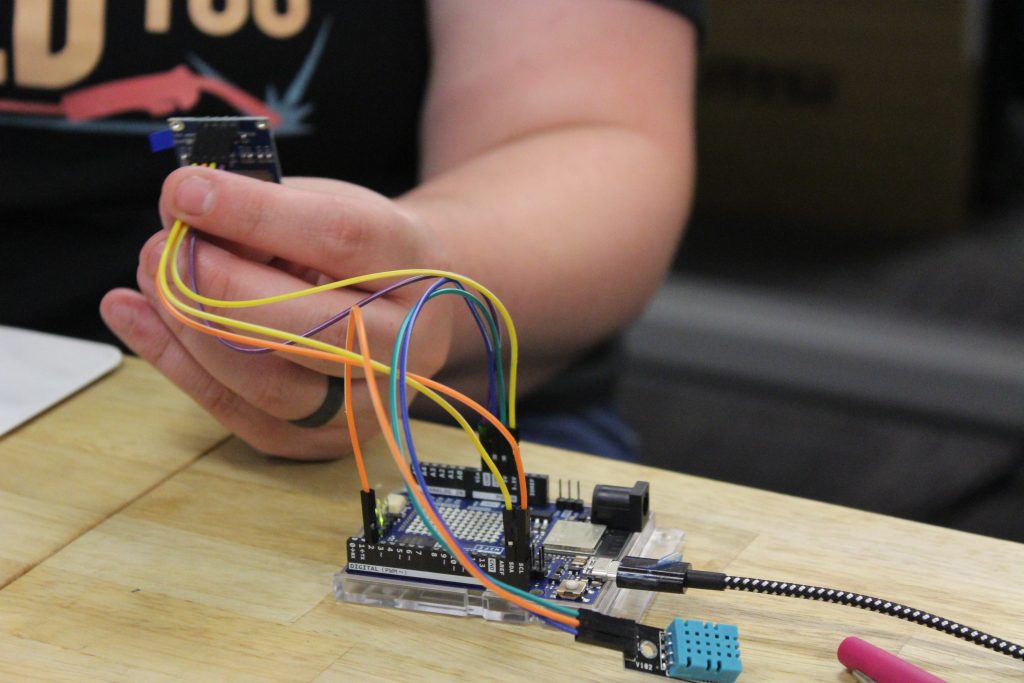
The training is part of AgCentric’s National Science Foundation supported ARAT project, developed in partnership with CASE 4 Learning to help agriculture teachers bring emerging technology into their classrooms.

The goal of the project is to build practical curriculum that helps students understand the technology already changing agriculture. That includes sensors, automation systems, data collection, coding, robotics, electrical systems, and engineering design.
Those concepts are not future ideas. They are already being used across agriculture today.
In dairy production, robotic milking systems are helping farms collect milk while also gathering information about cow health, production, activity, and individual animal performance. Automated feed pushers, calf feeding systems, manure handling systems, and barn monitoring technology are also changing how daily management decisions are made. These systems rely on many of the same concepts instructors explored during the ARAT field test, including sensors, switches, automation logic, data collection, and problem solving.
In crop production, irrigation technology provides another strong example. Modern irrigators may use soil moisture sensors, weather information, field observations, pivot technology, water application data, crop condition reports, and other digital tools to make decisions throughout the growing season. Some farms are also testing camera systems and other emerging tools to better understand crop needs. The technology can provide valuable information, but the best decisions still require people who understand both the data and the crop in the field.

That connection between technology and decision making was a major theme of the week. Instructors were not only learning about robotics and automation as classroom activities. They were also discussing how the same ideas show up in robotic dairies, irrigation management, crop monitoring, equipment systems, and other areas of modern agriculture.


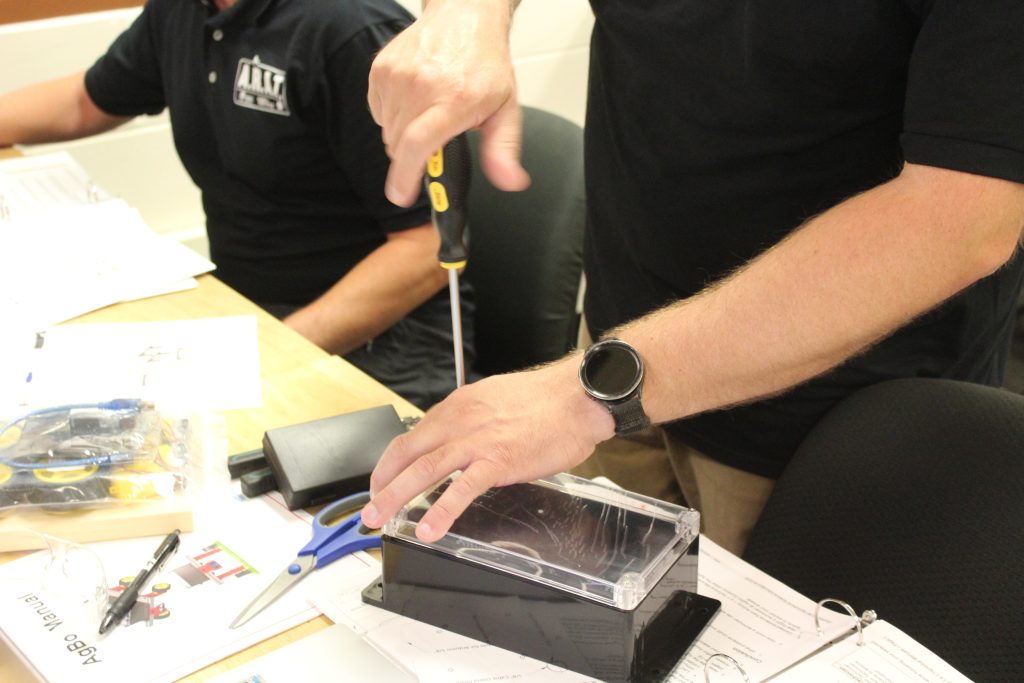
Throughout the week, instructors worked through lessons and activities that began with the basics of electricity, switches, circuits, flowcharting, and coding. From there, the training moved into sensors, data displays, cold monitoring, relay switches, safety features, autonomous mobile robots, plant science automation, and the engineering design process.
The structure of the field test was intentional. Participants were not only learning the material. They were also testing how the curriculum works from an instructor’s perspective. Their feedback will help CASE 4 Learning and project partners refine the lessons before broader classroom use.
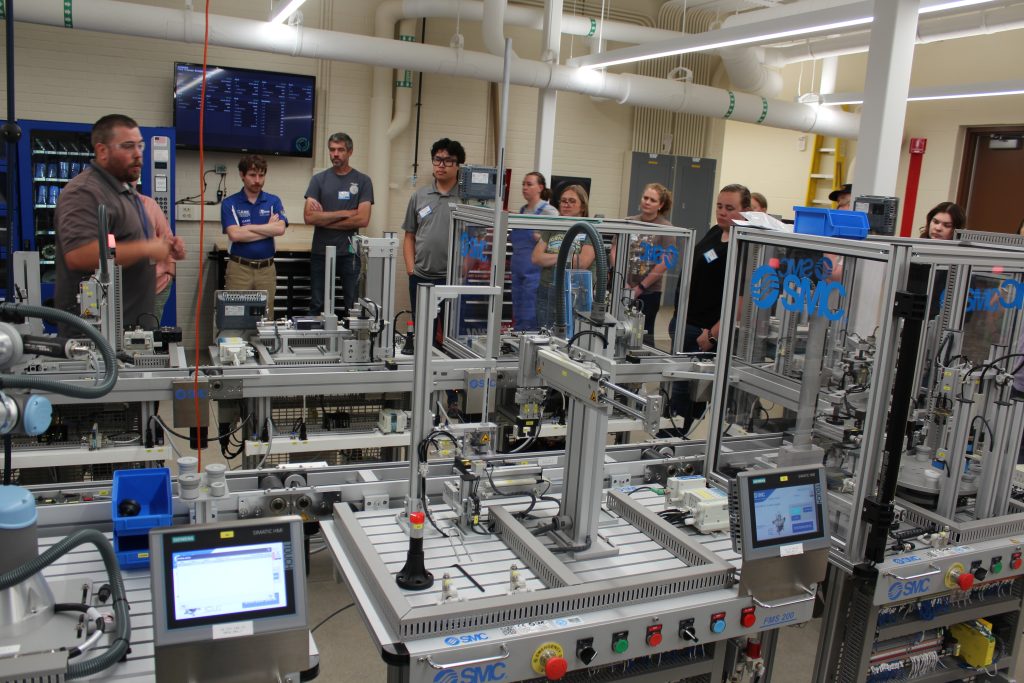
That process is a major part of the NSF supported work. The ARAT project is designed to give educators access to professional development, curriculum, and materials that can help students prepare for future careers in agricultural technology. As robotics and automation continue to grow across plant systems, animal systems, food systems, and equipment operations, agriculture programs need resources that connect classroom instruction to real industry needs.

The reach of this week’s field test also shows the need for this type of curriculum beyond one classroom, one college, or one region. Instructors attending the training represented programs from across the Midwest, Mountain West, East Coast, South, and Puerto Rico. Each participant brought a different classroom setting, student audience, and local agriculture context to the field test. That variety will help strengthen the curriculum as it moves toward broader use.
St. Cloud Technical & Community College provided a strong setting for the field test. The campus has programs and expertise connected to robotics, automation, mechatronics, instrumentation, and process control. That made St. Cloud Technical & Community College a natural host for a training focused on the technical skills and systems that are becoming more important in modern agriculture.
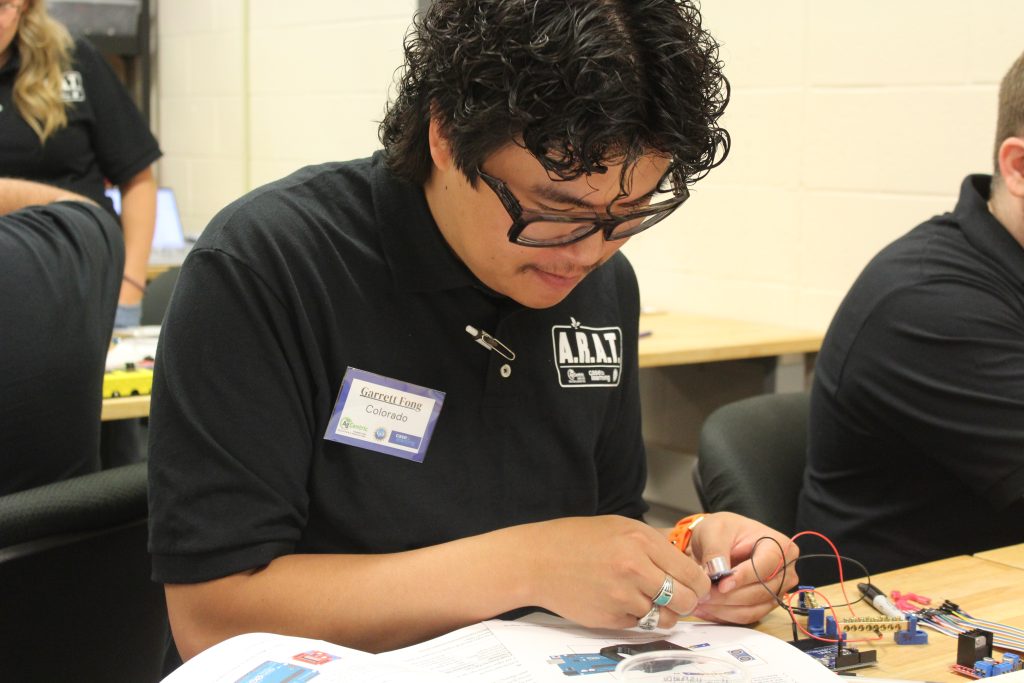
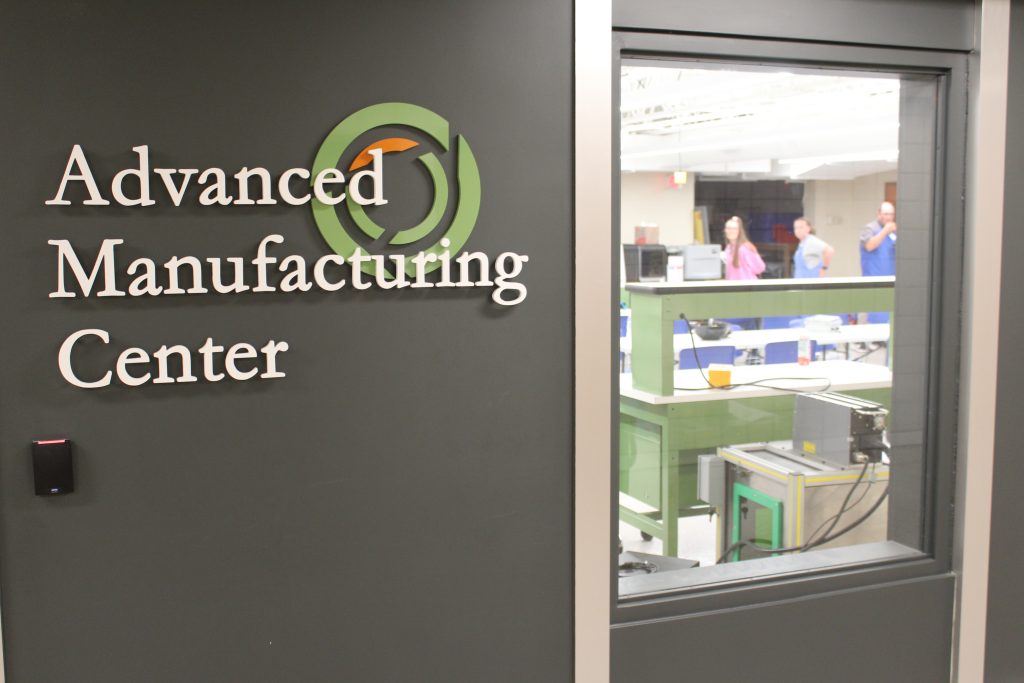
AgCentric is grateful to St. Cloud Technical & Community College for hosting this past week’s field test and supporting the educators taking part in the training.
The week also included an important connection beyond the classroom. Participants traveled to the farm of Anna Bregier, Vice President of the Irrigators Association of Minnesota, to learn how technology is used to support crop watering decisions. During the visit, instructors had the opportunity to hear from the farm’s irrigation manager about how water is managed across the growing season and how data supports those decisions.
The farm visit helped connect the ARAT curriculum to real world agricultural decision making. Participants learned about irrigation management, water use, field data, crop observations, and how information collected throughout the season can influence management decisions. They also heard how technology alone does not make the final decision. Data must be checked against real field conditions, crop observations, and the experience of the people managing the system.
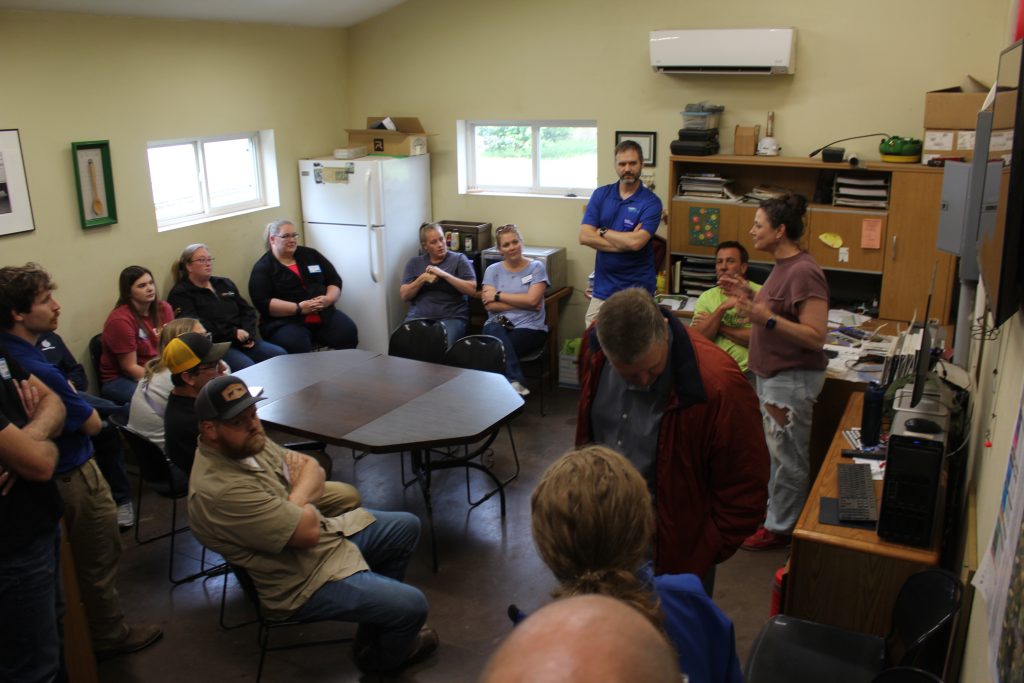
That idea of ground truthing is an important lesson for students preparing for careers in agriculture. Sensors, automation systems, software, and other digital tools can provide valuable information, but those tools are most powerful when paired with field level knowledge and human decision making.
After the farm visit, participants continued the discussion in the farm shop, where additional examples of collected data were shared. The group explored how information can be used to make current management decisions and guide future planning. The experience gave instructors a practical example of how data, technology, and applied agriculture work together on a modern farm.
The field experience added another layer to the training. Instructors were not only working with circuits, sensors, automation logic, and robotics in a classroom setting. They were also seeing how similar concepts show up in irrigation scheduling, crop monitoring, water management, equipment decisions, and long term farm planning.
By the final day, participants focused on the engineering design process, plant science module work, example project presentations, and a field test debrief. That final feedback will help shape the next steps for the ARAT curriculum as the project continues.
For AgCentric, the training represents another step toward strengthening agriculture education across Minnesota and beyond. By working with CASE 4 Learning, Minnesota State partners, technical college faculty, industry partners, and agriculture instructors from across the country, the ARAT project is helping build a pathway for students to explore the technology, problem solving, and technical skills needed in modern agriculture.
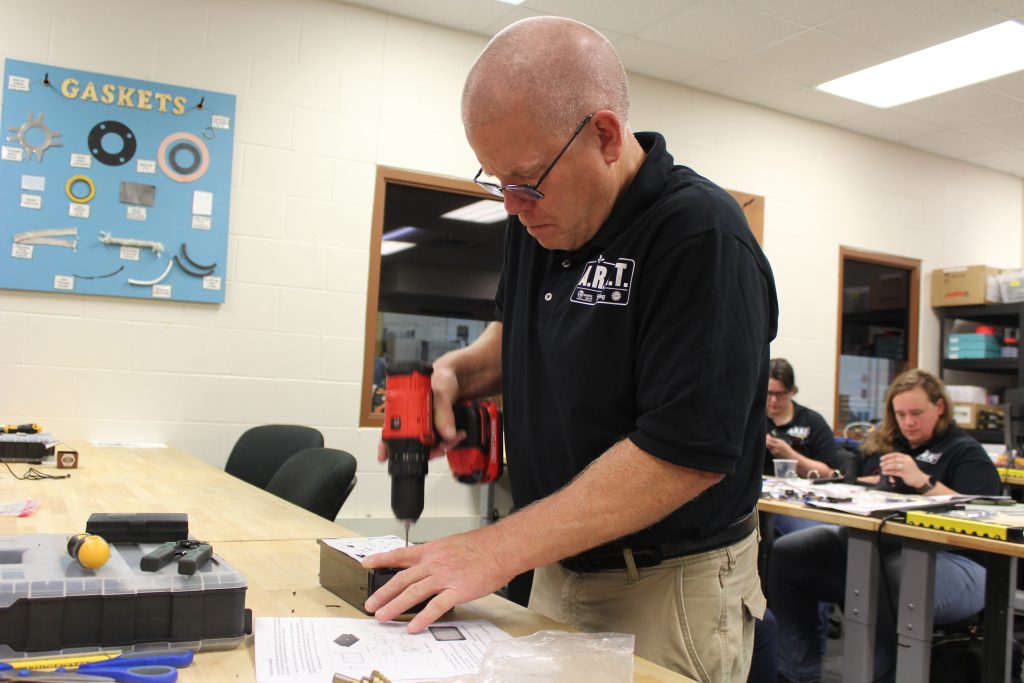
As the field test concludes, the work does not stop with this week’s training. Educators will carry these lessons, ideas, and experiences back to their programs, helping students better understand the role of robotics and automation in the future of agriculture. Students who understand sensors, coding, automation logic, and data will be better prepared to see how those skills apply in a robotic dairy, an irrigated crop field, a precision agriculture system, or another technology focused agriculture career.
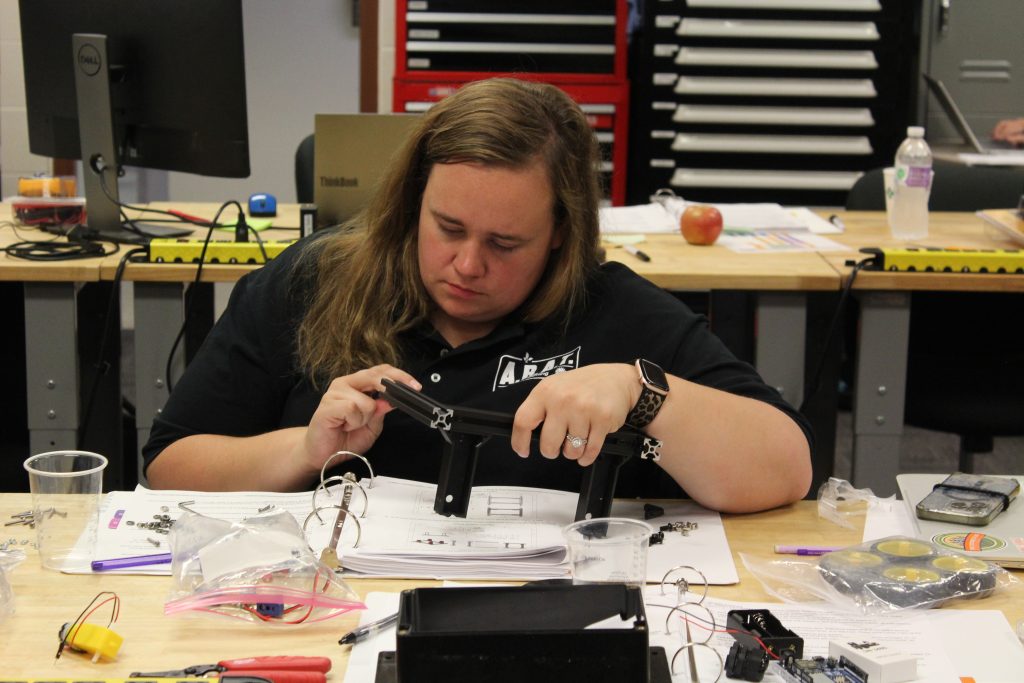

AgCentric thanks CASE 4 Learning, the National Science Foundation, St. Cloud Technical & Community College, Anna Bregier, the Irrigators Association of Minnesota, and all participating instructors and partners for helping move this important curriculum forward.
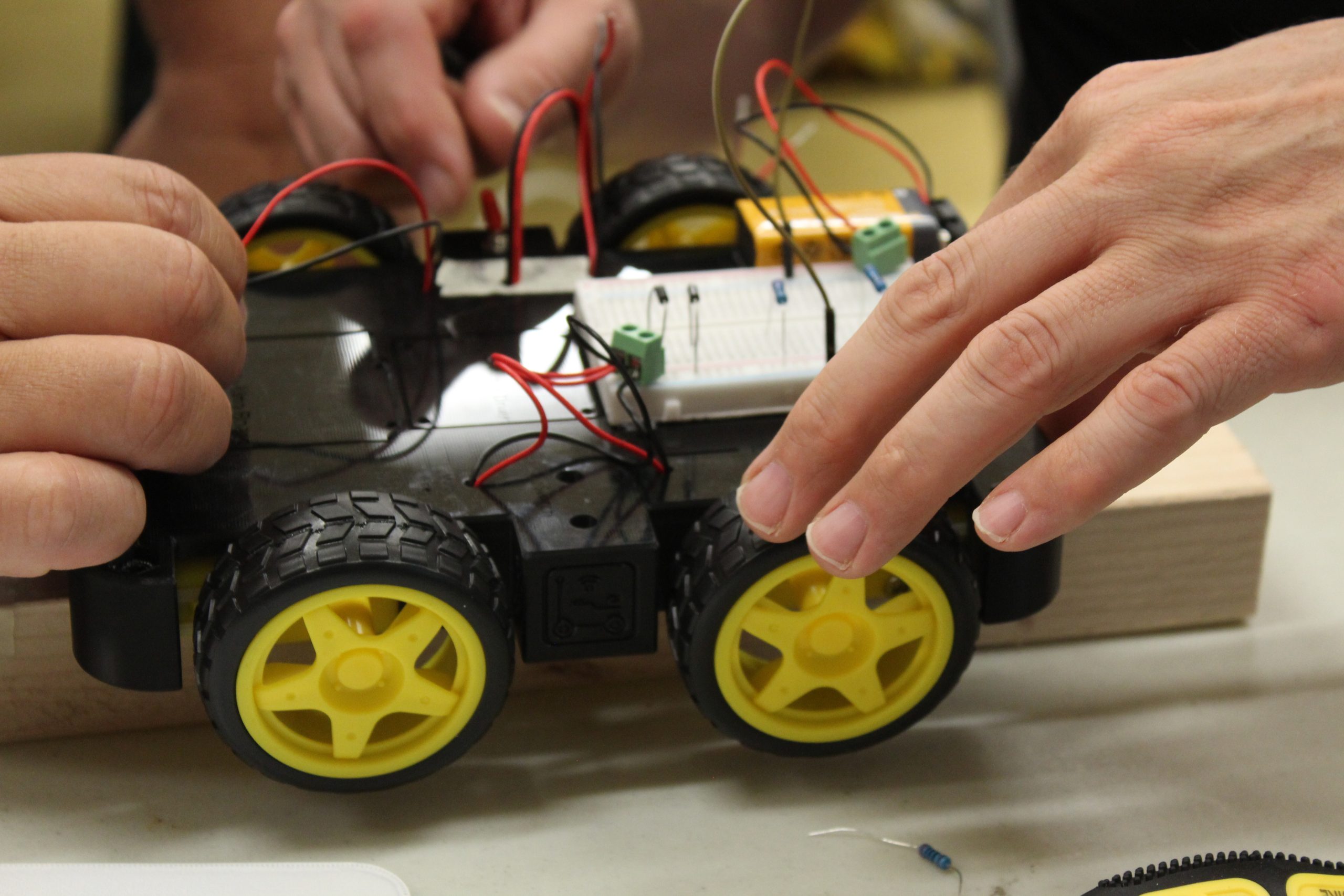



)
You must be logged in to post a comment.