

Two-day training at Central Lakes College and the CLC Ag & Energy Center supports Minnesota’s $11 million effort to advance irrigation efficiency and protect groundwater resources.
Staples, MN – As Minnesota invests more than $11 million to improve irrigation efficiency and protect groundwater resources, conservation professionals from across the state gathered at Central Lakes College and the CLC Ag & Energy Center June 29-30 to strengthen the technical expertise needed to bring those efforts to the field.
The two-day Regional Conservation Partnership Program (RCPP) Technical Advanced Training Workshop was part of a five-year, $11.16 million USDA Regional Conservation Partnership Program award led by the Minnesota Department of Agriculture and supported by more than 30 partners statewide. The initiative, Enhancing Innovative Irrigation Practices to Protect Groundwater Quality and Quantity, seeks to expand conservation practices on irrigated agricultural lands while helping producers maintain productivity and improve water stewardship.
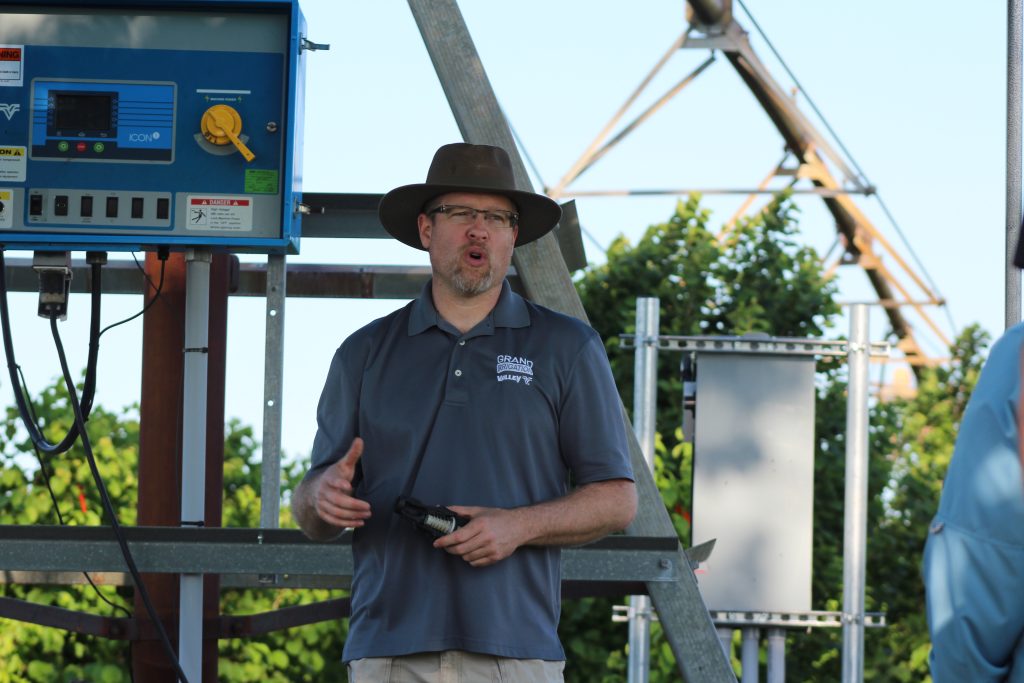

The investment comes at a critical time for Minnesota agriculture. Many of the state’s irrigated acres are located on coarse-textured soils that are highly productive but also vulnerable to groundwater quality and quantity concerns. Through a combination of financial assistance, technical support, education, and research, project partners aim to accelerate the adoption of innovative irrigation management practices and technologies across the state.
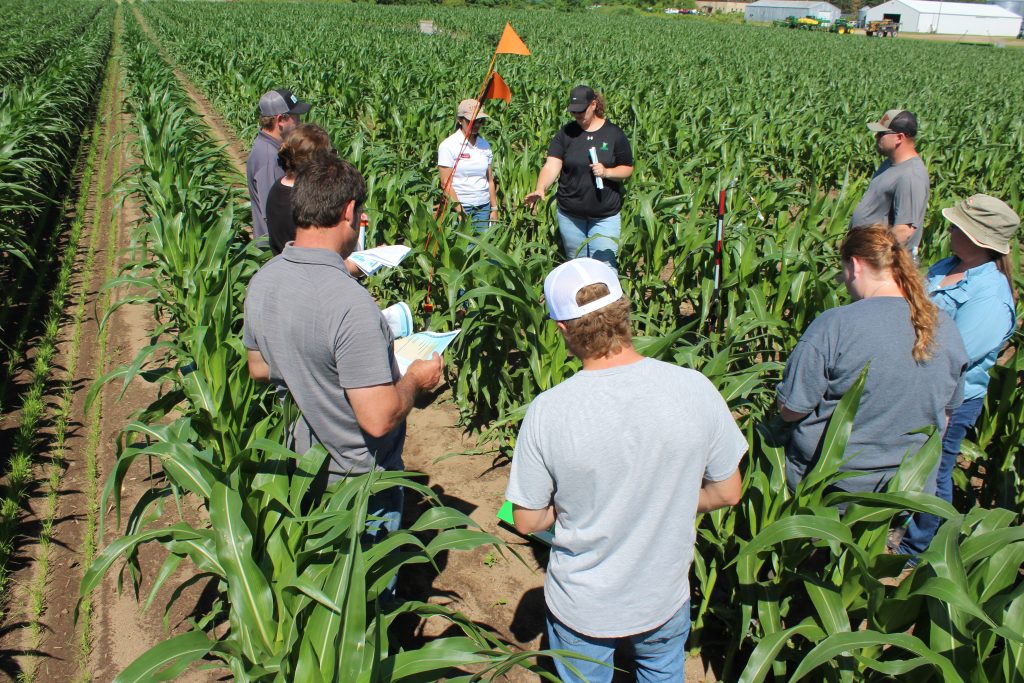
To support those efforts, the workshop brought together staff from the Natural Resources Conservation Service (NRCS), Soil and Water Conservation Districts (SWCDs), the Minnesota Department of Agriculture, the University of Minnesota, and agricultural industry partners for two days of classroom instruction, hands-on learning, and field demonstrations.
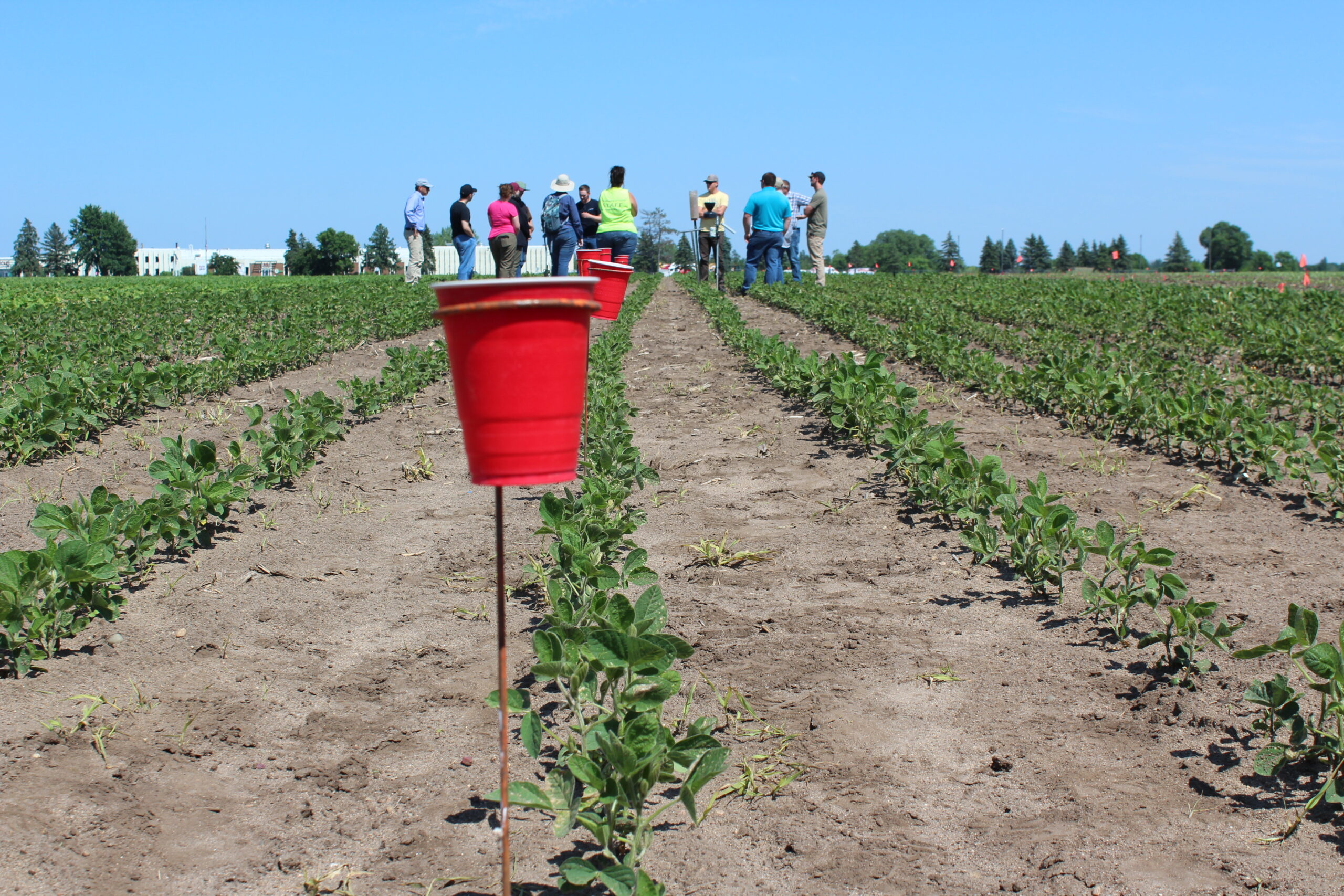
While portions of the workshop took place on the Central Lakes College campus, much of the training occurred at the CLC Ag & Energy Center near Staples, where participants worked directly with technologies and management practices currently being used in agricultural production. Demonstrations included soil moisture monitoring technologies, irrigation system evaluations, variable rate irrigation applications, fertigation practices, and other precision agriculture tools designed to improve irrigation efficiency while protecting natural resources.
The workshop also featured a farmer panel led by AgCentric Executive Director Keith Olander, providing participants an opportunity to hear directly from producers about irrigation management decisions, technology adoption, and the practical realities of implementing conservation practices on working farms. The discussion helped connect technical concepts to on-farm experiences and highlighted the importance of producer involvement in developing effective conservation strategies.
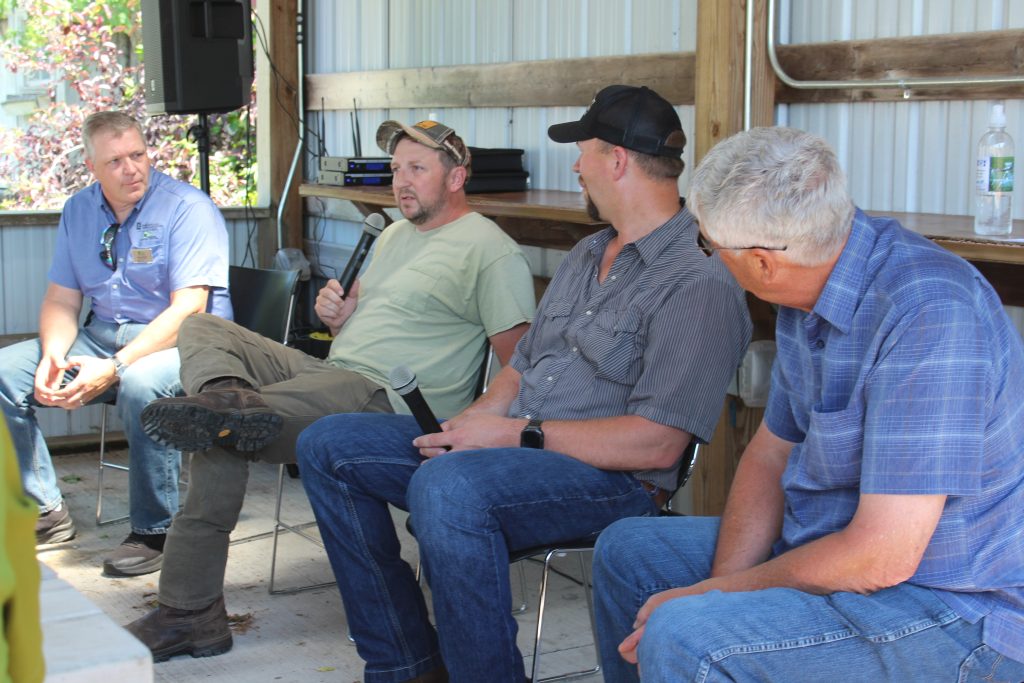
Beyond the technical training itself, the workshop represented a broader effort to build expertise among the conservation professionals who work directly with agricultural producers. Participants gained knowledge and practical experience that will help them evaluate irrigation systems, develop management plans, and support producers participating in conservation programs throughout Minnesota.

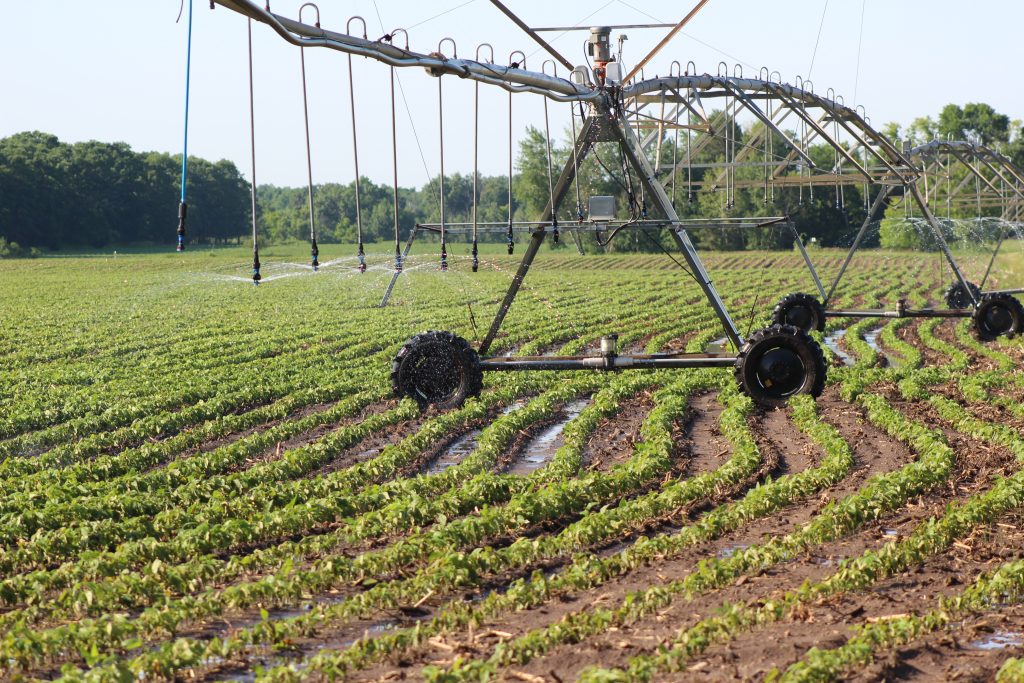
The workshop underscored the importance of collaboration among producers, educators, researchers, government agencies, and industry partners in addressing the evolving challenges of agricultural water management. As Minnesota continues to invest in irrigation innovation and conservation, trainings such as this one help ensure that the knowledge, technology, and technical expertise needed to support producers are available statewide.
AgCentric and Central Lakes College extend their appreciation to the many presenters, partners, participating farmers, and attendees whose expertise and collaboration contributed to the success of the workshop and to the continued advancement of irrigation education and conservation efforts throughout Minnesota.




)
You must be logged in to post a comment.